Even a minor collision can cause more damage than what is visible on the surface. A scratched bumper or dented wing may seem cosmetic, but impact forces can affect critical components such as the brakes, suspension, steering, cooling system, and electrical connections. Driving without a proper inspection can lead to safety risks, poor vehicle performance, and costly repairs later.
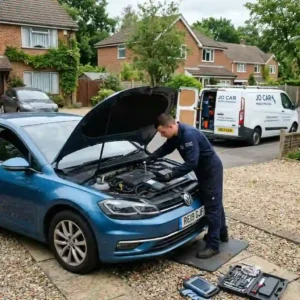
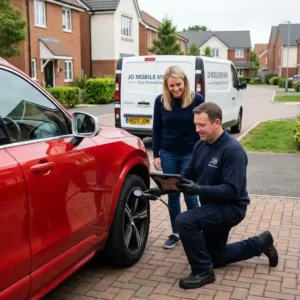
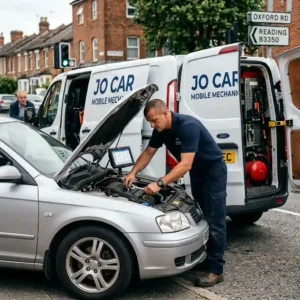
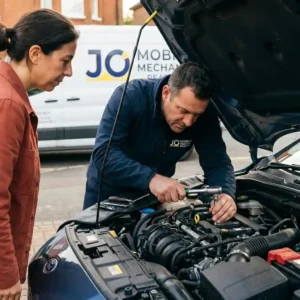
For drivers in Reading, having a trusted JO Mobile Mechanic makes post-accident inspections simple and convenient. A professional mobile mechanic in Reading can assess both visible and hidden damage at your home, workplace, or roadside, helping you understand the true condition of your vehicle before further driving.
In this guide, we’ll explain how a mobile mechanic inspects accident damage, which components are commonly affected, and why early diagnosis is essential after any collision.
Why Accident Damage Is Not Always Obvious
After an accident, it is important to have your vehicle inspected even if the damage appears minor. Hidden issues affecting the brakes, suspension, steering, cooling system, or electrical components may not be immediately visible but can impact safety and performance. A professional mobile mechanic in Reading can carry out a thorough on-site inspection, identify both visible and concealed damage, and recommend the most effective repairs. This convenient service helps drivers in Reading make informed decisions, avoid further mechanical problems, and restore their vehicles with confidence. A mobile mechanic in Reading quickly identifies hidden accident damage safely.
Vehicles are designed to absorb impact energy. This protects passengers, but it can also transfer force into areas that are not immediately visible.
After a collision, hidden damage may include:
- Bent suspension components
- Misaligned steering
- Damaged radiators
- Cracked mounts
- Brake system faults
- Sensor and wiring damage
A professional inspection ensures these issues are identified before they become larger problems.
When You Should Arrange an Inspection
A post-accident inspection is recommended even if the vehicle appears drivable.
Common situations that warrant an inspection include:
- Bumper-to-bumper collisions
- Hitting a curb
- Side impacts
- Parking accidents
- Minor fender damage
Early assessment helps determine whether the vehicle is safe to use and what repairs may be required.
Step 1: Initial Visual Assessment
The first step is a thorough visual inspection of the affected areas.
A mobile mechanic in Reading looks for:
- Cracked or broken panels
- Misaligned body gaps
- Fluid leaks
- Damaged lights
- Loose components
This provides an overview of visible damage and helps identify areas requiring closer examination.
Step 2: Checking Structural Alignment
Although major structural repairs require specialist equipment, a mobile mechanic services can identify signs of alignment issues.
Warning signs include:
- Uneven panel gaps
- Doors that do not close properly
- Steering wheel sitting off-center
- Vehicle pulling to one side
These symptoms suggest the collision may have affected the chassis or suspension geometry.
Step 3: Suspension Inspection
Suspension components are particularly vulnerable during impacts involving curbs, potholes, and wheel strikes.
The inspection includes:
- Control arms
- Shock absorbers
- Springs
- Bushings
- Ball joints
Bent or worn components can affect handling and tire wear.
Step 4: Steering System Examination
Steering components must operate precisely for safe vehicle control.
A mobile mechanic in Reading checks:
- Tie rods
- Steering rack connections
- Power steering components
- Steering response
Any looseness or damage is noted and addressed promptly.
Step 5: Brake System Inspection
Collision forces can affect brake hoses, calipers, sensors, and wheel components.
The mechanic inspects:
- Brake pads and discs
- Brake lines
- ABS sensors
- Fluid levels
Because braking performance is critical to safety, these checks are especially important.
Step 6: Wheel and Tire Assessment
Impacts often damage wheels or cause hidden tire problems.
The inspection covers:
- Sidewall cuts
- Bulges
- Bent rims
- Uneven wear
Even minor wheel damage can create vibrations and compromise handling.
Step 7: Cooling System Inspection
Front-end accidents frequently affect cooling components.
A mobile mechanic checks:
- Radiator condition
- Coolant hoses
- Cooling fans
- Coolant levels
Leaks or damaged parts can lead to engine overheating if not repaired.
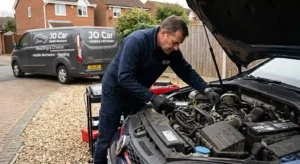
Step 8: Engine Bay Inspection
The engine compartment may contain hidden damage after an accident.
The mechanic looks for:
- Broken brackets
- Cracked reservoirs
- Loose wiring
- Damaged belts
These issues may not be immediately visible but can affect performance and reliability.
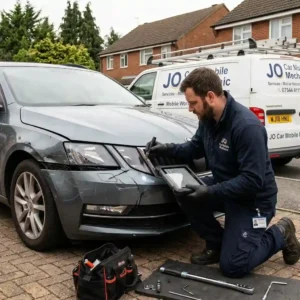
Step 9: Diagnostic Scanning
Modern vehicles use sensors throughout safety and engine systems. Impacts can trigger fault codes even when no dashboard warning lights are present.
Diagnostic scanning can reveal:
- Airbag system faults
- ABS issues
- Parking sensor errors
- Engine and electrical faults
This step is essential for identifying electronic damage accurately.
Step 10: Lighting and Electrical Checks
Collisions often affect headlights, indicators, and wiring.
The mobile mechanic tests:
- Headlights
- Brake lights
- Indicators
- Fog lights
- Sensors and connectors
Electrical issues should be resolved to maintain safety and MOT compliance.
Step 11: Fluid Leak Detection
Leaks may develop after impact due to damaged radiators, hoses, or reservoirs.
Possible fluids include:
- Coolant
- Engine oil
- Brake fluid
- Power steering fluid
Finding and repairing leaks quickly helps prevent secondary damage.
Step 12: Road Test When Appropriate
If the vehicle is safe to drive, a short road test may be performed.
The mechanic checks for:
- Pulling during braking
- Steering vibration
- Suspension noises
- Warning lights
This helps confirm whether hidden mechanical issues are present.
Common Hidden Problems Found After Minor Accidents
Even low-speed collisions can cause:
- Bent tie rods
- Cracked radiators
- Damaged wheel bearings
- Faulty ABS sensors
- Misaligned suspension
- Tire sidewall damage
Because these issues are not always visible, professional inspection is highly recommended.
How Hidden Accident Damage Affects Vehicle Safety
Even when a car appears to drive normally after a collision, hidden damage can compromise critical safety systems. A bent suspension arm, damaged wheel bearing, or weakened brake component may not be obvious during a quick visual inspection, but these issues can affect handling, stopping performance, and tire wear. Modern vehicles also contain sensors that monitor airbag systems, ABS, and stability control, and these components can be disrupted by even a low-speed impact. A professional mobile mechanic in Reading can identify hidden accident damage before it leads to unsafe driving conditions. Early detection ensures that your vehicle remains structurally sound, mechanically reliable, and fully prepared for everyday use.
Why Post-Accident Diagnostics Save Money
Addressing hidden damage early can prevent:
- Tire wear from alignment issues
- Overheating caused by coolant leaks
- Brake problems from damaged components
- Electrical failures from loose wiring
A thorough inspection often reduces long-term repair costs.
Why Early Accident Inspections Can Reduce Repair Costs
Scheduling a prompt inspection after an accident can prevent minor damage from developing into more expensive repairs. For example, a small coolant leak caused by front-end damage may eventually lead to engine overheating, while a bent steering component can cause rapid tire wear. By arranging an inspection with JO Mobile Mechanic in Reading, drivers gain a clear understanding of the vehicle’s condition and can address safety-related repairs before they worsen. Early diagnostics also help with insurance claims by documenting visible and hidden issues. This proactive approach saves money, reduces downtime, and ensures your car is restored efficiently.
Repairs a Mobile Mechanic Can Perform
Depending on the damage, many repairs can be completed on-site.
Common services include:
- Brake repairs
- Suspension component replacement
- Battery replacement
- Sensor replacement
- Cooling system repairs
- Diagnostic fault clearing
More extensive bodywork or structural repairs may require specialist facilities.
Why Reading Drivers Choose Mobile Accident Inspections
A mobile mechanic in Reading offers several advantages:
- Convenient home or workplace inspections
- Honest explanations
- Fast diagnostics
- No towing in many cases
- Transparent pricing
This approach helps drivers understand the condition of their vehicle quickly after an accident.
Signs You Should Not Drive the Vehicle
Do not continue driving if you notice:
- Coolant or brake fluid leaks
- Steering pulling severely
- Brake warning lights
- Unusual noises
- Overheating
- Airbag warnings
In these cases, immediate professional inspection is essential.
Insurance and Repair Documentation
A detailed inspection can help you:
- Understand the extent of damage
- Plan repairs
- Communicate with insurers
- Prioritize safety-related issues
Knowing what is damaged allows you to make informed decisions.
Frequently Asked Questions
Can a mobile mechanic in Reading inspect accident damage at my home?
Yes, a mobile mechanic in Reading can inspect visible and hidden accident damage at your location.
What hidden damage can occur after a minor accident?
Suspension, steering, brakes, cooling components, sensors, and electrical systems may be affected.
Can diagnostic scans reveal accident-related faults?
Yes, diagnostic tools can identify ABS, airbag, and sensor faults caused by impacts.
Should I have my car inspected after a small collision?
Yes, even minor accidents can cause hidden mechanical and safety-related damage.
Can repairs be completed after the inspection?
Many common mechanical and electrical repairs can be performed on-site.
Conclusion
After any collision, visible damage tells only part of the story. Hidden issues involving brakes, suspension, steering, cooling systems, and electronics can affect your vehicle’s safety and reliability even after a seemingly minor impact.
A professional mobile mechanic in Reading can perform a detailed accident inspection at your home or workplace, identifying both cosmetic and mechanical problems before they become more serious. With expert diagnostics and honest advice, JO Mobile Mechanic helps drivers in Reading make informed decisions and restore their vehicles with confidence.