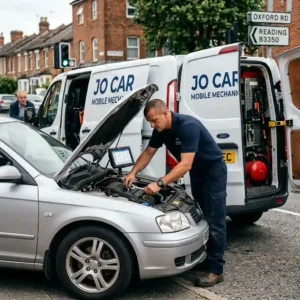
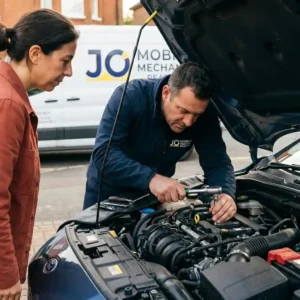
An unexpected change in how your car stops can turn a routine drive into a stressful experience. Brakes rarely fail without giving you some warning. A squeak, vibration, longer stopping distance, or change in pedal feel can be an early sign that your braking system needs attention. Catching these subtle indicators early prevents minor wear from escalating into costly repairs or dangerous driving hazards. Booking a timely Brake Repair Reading service ensures your vehicle remains dependable, safe, and fully roadworthy.
Brake Repair Reading: Get Ahead of Brake Problems
Understanding how your vehicle’s braking system behaves gives you the upper hand in maintenance. By recognizing common symptoms, knowing what causes them, and arranging a Brake Repair Reading inspection, you can make informed decisions before safety is compromised.
What Are the Early Signs Your Brakes Need Attention?
Modern braking systems communicate their condition through sound, feel, and physical feedback. Paying attention to these warning signs ensures you seek a Brake Repair Reading evaluation before major components suffer expensive damage.
- Squeaking or Squealing Noises: Most brake pads feature built-in metal wear indicators that emit a high-pitched squeak when friction material drops below a safe threshold, signaling the need for a Brake Repair Reading check.
- Harsh Grinding Sounds: A deep, metallic grinding noise usually means the friction material has worn away completely, causing the metal backing plate to scrape directly against the brake disc.
- Steering Wheel Vibrations: Shuddering felt through the steering wheel or brake pedal during deceleration often points to uneven wear or thermal warping on the brake discs.
- Vehicle Pulling to One Side: If your car veers toward the left or right while braking, a sticking caliper piston, uneven pad wear, or a collapsed brake hose may be applying unequal pressure.
- Soft or Spongy Pedal: A pedal that feels mushy or sinks all the way to the floorboard suggests air in the hydraulic lines, a brake fluid leak, or a failing master cylinder that requires immediate Brake Repair Reading attention.
- Longer Stopping Distance: Noticing that your car takes noticeably more time and road distance to come to a complete stop indicates reduced friction or overheated components.
- Active Brake Warning Light: An illuminated dashboard warning symbol—whether the red handbrake light or an amber ABS light—indicates low fluid levels, hydraulic pressure drops, or electronic sensor faults.
What Can Cause Brake Problems?
Braking systems operate under extreme friction, hydraulic pressure, and heat. Over time, several interconnected components can deteriorate, making a professional Brake Repair Reading service essential.
- Worn Brake Pads: Daily friction gradually thins the pad material, reducing stopping power and increasing heat buildup across the system.
- Worn or Grooved Discs: Continuous contact with pads, road grit, or excessive heat creates ridges, lip edges, and uneven surface depth across the metal rotors.
- Contaminated Components: Oil leaks, road grime, or excessive brake dust buildup on pads and rotors reduce friction performance and generate abnormal squeaks.
- Brake-Fluid Issues: Brake fluid is hygroscopic, meaning it absorbs moisture over time. This lowers its boiling point, causes internal corrosion, and creates a spongy pedal feel under heavy braking during a Brake Repair Reading inspection.
- Caliper Problems: Seized caliper slider pins or corroded pistons can trap pads against the disc, leading to continuous drag, localized overheating, and rapid pad destruction.
- General Wear and Tear: Rubber seals degrade, mounting hardware loses tension, and brake hoses deteriorate naturally through thousands of heating and cooling cycles.
When Should You Stop Driving and Get Your Brakes Checked?
Your safety and the safety of other road users depends entirely on reliable braking performance. While minor squeaks during damp mornings can be harmless, severe mechanical symptoms mean you should seek an urgent Brake Repair Reading solution.
Critical Safety Warning: You should stop driving immediately and request a professional Brake Repair Reading inspection if you experience harsh metallic grinding, a pedal that sinks to the floor without resistance, severe vehicle pulling, or a brake warning light accompanied by reduced stopping capability.
Driving with compromised brakes significantly increases your stopping distance and risks total hydraulic failure. If your pedal feels unresponsive or the vehicle shudders violently, park in a safe location and arrange for professional vehicle inspection or mobile diagnostics before attempting another journey. According to official guidelines detailed in the DVSA MOT Inspection Manual, significant braking imbalance, low fluid levels, or pad thickness below 1.5mm result in immediate roadworthiness failure.
What Does Brake Repair Usually Involve?
Professional Brake Repair Reading services follow a methodical diagnostic and repair procedure to ensure every component functions within strict manufacturer tolerances.
- Initial Physical Inspection: A technician removes the wheels to conduct a complete visual check of pads, discs, calipers, flexible hoses, and rigid hydraulic lines.
- Systemic Fault Identification: Testing fluid condition, measuring pad thickness with precision calipers, and checking discs for runout or minimum thickness thresholds during your Brake Repair Reading appointment.
- Component Assessment: Checking caliper sliding pins for smooth movement, inspecting piston seals for fluid weepage, and scanning the vehicle’s ECU for active ABS fault codes.
- Transparent Repair Recommendation: Explaining required work clearly, specifying whether a simple pad replacement or a full disc and pad renewal is necessary for your Brake Repair Reading job.
- Precision Replacement: Cleaning mounting hubs to prevent disc alignment issues, pushing back caliper pistons safely, fitting fresh components, and applying appropriate high-temp lubricants to slider pins.
- Hydraulic Servicing & Testing: Bleeding hydraulic lines if fluid was contaminated or opened, torqueing wheel bolts to spec, and performing a controlled road test to bed in components.
To learn more about our complete range of diagnostic, mechanical, and routine servicing options, visit our main Services page.
Brake Pads vs Brake Discs: What’s the Difference?
Understanding how pads and discs work together clarifies why technicians often recommend replacing them in pairs during a Brake Repair Reading appointment.
| Feature | Brake Pads | Brake Discs (Rotors) |
| Primary Function | High-friction steel blocks topped with specialized organic or metallic friction material. | Cast iron plates mounted directly to the wheel hub that rotate alongside the tyre. |
| How It Works | Calipers squeeze the pads against both sides of the rotating disc to convert kinetic energy into heat. | Provides the smooth, flat metal surface for the pads to clamp onto during deceleration. |
| Lifespan Expectancy | Typically lasts between 25,000 to 40,000 miles depending on driving style and traffic conditions. | Typically lasts through 2 to 3 sets of brake pads (50,000 to 70,000 miles) under normal wear. |
| Common Failure Mode | Thinning friction material, backing plate separation, or uneven pad wear due to stuck pins. | Surface scoring, lip formation, thermal warping (runout), or excessive rust scaling. |
While brake pads wear down faster by design, fitting new pads onto severely worn, grooved, or thin discs compromises stopping efficiency and accelerates pad degradation, making a full Brake Repair Reading evaluation crucial.
Can a Mobile Mechanic Carry Out Brake Repairs?
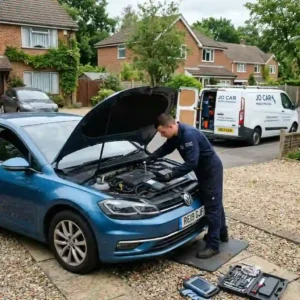
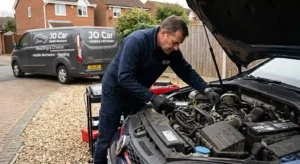
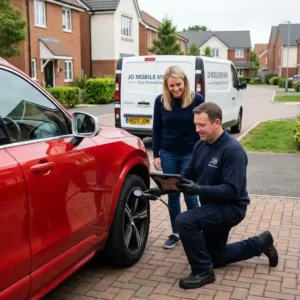
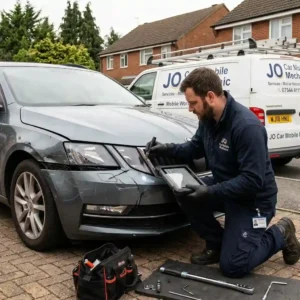
Yes, many routine Brake Repair Reading procedures can be completed safely at your home or workplace by a qualified mobile technician. Services like standard pad replacements, disc and pad renewals, fluid top-ups, and diagnostic fault code clearing are ideally suited for mobile execution, provided the working area is flat and stable.
However, complex hydraulic overhauls, heavily seized mounting hardware, or severe chassis corrosion may require specialized workshop lifting equipment. A professional mobile service evaluates your vehicle’s environment and fault profile upfront to ensure every Brake Repair Reading task is conducted safely and correctly.
How Much Does Brake Repair Cost in Reading?
Determining the overall cost of a Brake Repair Reading service depends on several key mechanical factors rather than a single fixed price. Key elements affecting total costs include:
- Vehicle Make and Model: Premium, performance, or heavy-duty vehicles require larger, specialized components that carry higher parts costs.
- Components Required: Replacing pads alone is naturally less costly than replacing both discs and pads across all four wheels during a Brake Repair Reading job.
- System Complexity: Vehicles equipped with Electronic Parking Brakes (EPB) require specialized diagnostic tools to place calipers into service mode before work begins.
- Parts Specifications: Choosing Original Equipment Manufacturer (OEM) parts versus high-quality aftermarket equivalents influences component pricing.
- Labor & Additional Repairs: Addressing seized calipers, corroded slider pins, or replacing degraded brake fluid adds shop time to your Brake Repair Reading service.
To understand how mobile servicing rates are calculated across different vehicle types and services, read our dedicated guide on Mobile Mechanic Cost Reading.
Why Choose Professional Brake Repair in Reading?
Entrusting your vehicle’s safety system to an experienced local technician for your Brake Repair Reading needs ensures lasting reliability and convenience:
- Accurate Fault Diagnosis: Pinpointing the exact root cause—whether a sticking slider, warped disc, or sensor error—prevents unnecessary parts replacement during your Brake Repair Reading appointment.
- High-Grade Replacement Components: Installing matching, quality-tested friction materials that deliver quiet operation and consistent pedal feel.
- Comprehensive Safety Checks: Inspecting surrounding suspension arms, tyres, and fluid lines while wheels are removed for your Brake Repair Reading evaluation.
- Local On-Site Convenience: Saving time by having inspections and repairs completed on your driveway or workplace parking space across Reading.
To read about our mechanical background, mobile setup, and customer service commitments, visit our About Us page.
FAQs About Brake Repair in Reading
How do I know if my brake pads need replacing?
You can inspect pad thickness visually through wheel spokes; if the friction material is thinner than 3mm, or if you hear high-pitched squeaking or see an active dash light, it is time for a Brake Repair Reading check.
Can I drive with squeaking brakes?
Occasional light squeaks caused by morning dampness are common, but persistent squeaking means pad wear indicators are making contact, signaling that a Brake Repair Reading visit should be booked promptly.
How long do brake pads normally last?
Average brake pads last between 25,000 and 40,000 miles, though heavy city driving, stop-start traffic, and aggressive braking shorten their lifespan, requiring earlier Brake Repair Reading maintenance.
What causes brakes to grind?
Grinding occurs when brake pad friction material is completely worn away, causing the steel backing plate to scrape violently against the cast iron disc surface.
Can a mobile mechanic replace brake pads?
Yes, a mobile technician equipped with professional jack stands, torque wrenches, and diagnostic reset tools can perform a complete Brake Repair Reading pad and disc replacement efficiently on your driveway.
Do brake discs need replacing with brake pads?
Not always, but if the discs have worn below their minimum thickness, developed deep grooves, or warped thermally, replacing discs alongside pads ensures proper braking performance and safety during your Brake Repair Reading service.
How quickly should brake problems be checked?
Any noticeable change in pedal feel, increased stopping distance, or unusual metallic noise should be evaluated through a Brake Repair Reading inspection as soon as possible to prevent safety risks.
Keep Your Braking System Safe and Responsive
Ignoring early warning signs in your braking system risks compromised safety and higher repair bills later on. Whether you need a quick pad thickness check, fluid evaluation, or full disc replacement on your driveway, arranging a Brake Repair Reading service keeps your vehicle reliable.
To schedule a convenient inspection or discuss your vehicle’s symptoms, explore our main Services page or get in touch directly via our Contact Us page today to secure professional Brake Repair Reading assistance.