Driving around Berkshire involves a mix of stop-and-go town traffic, tight roundabouts, and suburban routes where your vehicle’s transmission works constantly. You step into your car, select first gear, and release the pedal expecting smooth acceleration—but something feels off. The engine revs rise faster than your actual speed, or the pedal feels soft and spongy underfoot.
When your vehicle shows these early warning signs, booking a timely Clutch Repair Reading assessment helps you determine whether you are dealing with minor hydraulic component wear or a failing friction plate before you end up stranded.
Your Clutch Doesn’t Usually Fail Without Warning
A vehicle transmission rarely stops functioning without clear warning signs. In most cars, the clutch assembly wears down gradually over thousands of miles. The clutch may begin slipping under heavy acceleration, the biting point may shift higher up the pedal travel, selecting gears may become increasingly stiff, or unusual mechanical noises may appear.
Recognizing these early symptoms allows you to arrange a professional Clutch Repair Reading inspection before minor wear turns into a severe breakdown. Following preventative care steps outlined in the GOV.UK Highway Code Vehicle Maintenance Guide can help drivers spot these developing mechanical faults early.
7 Signs Your Clutch May Need Attention
1. The Clutch Is Slipping
When driving, a slipping clutch occurs when the friction material on the clutch disc can no longer grip the flywheel. You might notice that while driving uphill or accelerating hard, the engine speed increases rapidly while your road speed lags behind. This friction loss is one of the clearest indicators that you need a Clutch Repair Reading evaluation.
2. The Engine Revs Rise Without Matching Acceleration
If you press the accelerator pedal in a higher gear and watch your RPM needle shoot upward without a corresponding increase in momentum, your transmission is losing power transfer. This classic symptom means the friction disc is slipping, signaling that a specialist in Clutch Repair Reading should inspect your vehicle.
3. The Biting Point Feels Different
Every driver gets used to the exact height at which their clutch engages. If you notice that the biting point has moved significantly higher—requiring you to lift your foot almost entirely off the pedal before the vehicle moves—or if it engages extremely low near the floor, your assembly requires a Clutch Repair Reading diagnostic check.
4. Gears Are Becoming Difficult to Select
Struggling to shift into first gear or reverse while stationary often points to a clutch that is not fully disengaging. However, difficult gear selection can stem from several underlying causes—including low gearbox oil or worn selector linkages—and shouldn’t automatically mean you need a full clutch replacement.
5. The Clutch Pedal Feels Unusual
Pay attention to how the pedal physically feels underfoot. If the pedal feels excessively stiff, unusually soft, sticks to the floor, or vibrates when pressed, the hydraulic slave cylinder or cable may be failing. A thorough Clutch Repair Reading inspection will isolate the exact cause of pedal resistance issues.
6. Burning Smell After Driving
A distinct, pungent metallic burning smell after driving—especially following hill starts or heavy Reading traffic—indicates excessive heat and friction wear on the clutch plate. Continuing to drive while burning your friction material will increase your overall Clutch Repair Reading service costs.
7. Unusual Noises When Operating the Clutch
If you hear squealing, grinding, or rumbling sounds when you press or release the pedal, a worn thrust release bearing is often responsible. Prompt Clutch Repair Reading diagnostics can catch a noisy release bearing before it damages the surrounding pressure plate.
What Causes Clutch Problems?
Normal Wear and Tear
Clutch friction material is a wearable item designed to absorb friction over time. Depending on driving habits, an average clutch lasts between 30,000 and 100,000 miles before requiring a Clutch Repair Reading specialist to replace the assembly.
Heavy Traffic and Stop-Start Driving
Navigating dense urban traffic or stopping frequently at Reading roundabouts keeps the clutch constantly engaging and disengaging, generating friction heat that accelerates component breakdown far faster than steady motorway cruising.
Riding the Clutch
Keeping your foot resting lightly on the pedal while driving or holding the car on an incline using the biting point instead of the handbrake causes continuous friction. This habit overheats the pressure plate and leads to early Clutch Repair Reading demands.
Component Wear and Hydraulic Issues
Modern clutch systems rely on master and slave hydraulic cylinders. Leaking hydraulic fluid, air trapped in fluid lines, or worn pressure plate fingers can mimic full clutch failure even when the friction plate itself still has usable life left.
Can a Mobile Mechanic Fix a Clutch?
On-Site Inspections and Diagnostics
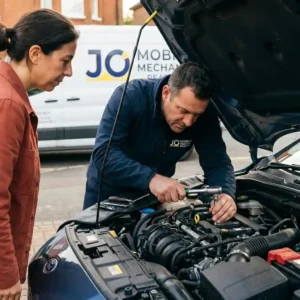
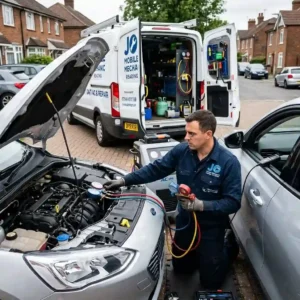
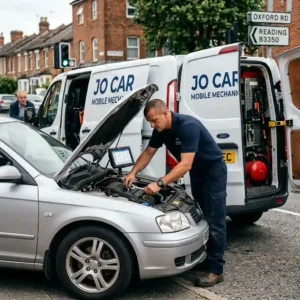
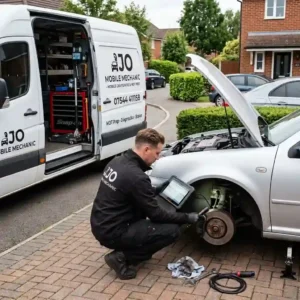
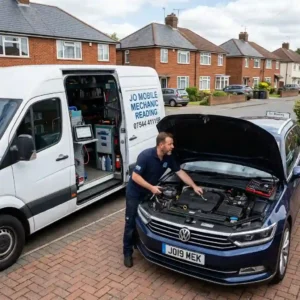
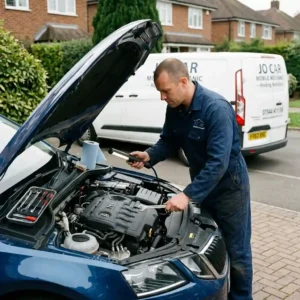
A mobile mechanic can perform complete on-site Clutch Repair Reading assessments—checking hydraulic fluid levels, testing pedal pressure, inspecting linkages, and evaluating performance right on your driveway or at work.
Minor Clutch Repairs
Some clutch issues—such as replacing external slave cylinders, bleeding hydraulic lines, adjusting cables, or swapping faulty pedal sensors—can easily be completed on-site as part of a Clutch Repair Reading service.
Extensive Clutch Replacements
Replacing a complete clutch kit involves removing the gearbox, driveshafts, and subframe components. Whether this can be done on-site depends heavily on vehicle layout and working space. While many front-wheel-drive cars can be serviced on flat driveways, complex 4x4s or rear-wheel-drive vehicles are often better suited for full workshop ramps.
Clutch Repair or Clutch Replacement — What’s the Difference?
What Is Clutch Repair?
Clutch repair focuses on fixing specific supporting components within the system. If your fault is caused by a leaking master cylinder, air in the hydraulic lines, or a stretched cable, targeted Clutch Repair Reading work can resolve the issue without removing the gearbox.
What Is Clutch Replacement?
Clutch replacement becomes necessary when the main friction disc, pressure plate, release bearing, or dual-mass flywheel (DMF) are significantly worn. In these situations, installing a complete clutch kit restores full engine power transfer.
Should You Keep Driving With a Slipping Clutch?
Continuing to drive with worsening clutch slip is not advisable. As the friction disc slips against the flywheel, it generates extreme heat that can warp the metal face of the dual-mass flywheel or damage gearbox input seals. Furthermore, severely slipping clutches compromise vehicle roadworthiness under official DVSA MOT Testing Standards.
Addressing slipping symptoms promptly through a qualified Clutch Repair Reading assessment prevents minor friction wear from escalating into expensive repairs.
What Happens During a Clutch Inspection?
Step 1: Listening to Symptoms
The diagnostic process begins by reviewing what you have noticed—such as pedal feel changes, unusual noises, or specific driving conditions where slipping occurs.
Step 2: Static and Hydraulic Checks
The technician checks pedal travel, tests hydraulic fluid quality, inspects master and slave cylinders for leaks, and checks selector cables.
Step 3: Vehicle Road and Biting Point Test
A controlled road test checks where the biting point engages, evaluates gear selection ease, and confirms whether engine revs slip under load.
Step 4: Transparent Options Explanation
Following testing, the mechanic outlines whether a minor hydraulic Clutch Repair Reading service will solve the issue or if a full clutch kit replacement is needed.
Mobile Mechanic or Garage for Clutch Problems?
| Service Area | Mobile Clutch Repair Reading | Traditional Garage |
| Initial Diagnosis & Testing | Suitable for driveway assessment | Suitable for workshop assessment |
| Hydraulic & Linkage Inspection | Highly suitable for on-site evaluation | Suitable for workshop evaluation |
| Minor Repairs (Cylinders/Cables) | Suitable for on-site Clutch Repair Reading | Suitable for workshop repair |
| Full Clutch Replacement | Vehicle and site dependent | Fully equipped with hydraulic lifts |
| Complex Transmission Work | Limited on-site options | Best suited for heavy gearbox removals |
What Should You Tell the Mechanic?
Checklist for Your Clutch Assessment
To help your technician diagnose your issue efficiently, have the following details ready when booking your Clutch Repair Reading inspection:
- Vehicle Details: Make, model, year, engine size, and registration number.
- Current Mileage: Helps indicate expected wearable component lifespans.
- Problem Timeline: When you first noticed symptoms and whether they are constant or intermittent.
- Specific Symptoms: Note whether the clutch is slipping, gears are hard to select, or the pedal feels soft or stiff.
- Noises and Smells: Detail any burning friction smells or grinding sounds when operating the pedal.
Need Clutch Repair in Reading?
If your vehicle is exhibiting slipping revs, gear selection difficulties, or unusual pedal resistance, getting a proper assessment quickly is the best way to safeguard your drivetrain. Whether you need initial diagnostic checks, hydraulic repairs, or advice on full replacement options, reaching out to an experienced technician helps you make the right choice.
Learn more about mobile diagnostics on our primary Mobile Mechanic Reading service page, explore general maintenance options via our Car Service at Home Reading page, or review emergency support options if your vehicle won’t start on our Car Won’t Start Reading guide. When you are ready to book a professional clutch repair in Reading diagnostic inspection or discuss your options, visit our Contact Us page to get in touch.
Frequently Asked Questions
What are the first signs of clutch failure?
The earliest indicators include a shifting biting point, high engine revs that do not match vehicle acceleration, a stiff or spongy pedal, and difficulty selecting gears smoothly.
Can a mobile mechanic fix a clutch?
Yes, a mobile mechanic can carry out full diagnostic assessments and complete hydraulic Clutch Repair Reading services on-site. Full clutch replacements can also be performed depending on the vehicle layout and working space.
How do I know if my clutch is slipping?
You will notice your engine revs climbing rapidly when you press the accelerator in a higher gear, but your car fails to gain speed at the expected rate.
Can you drive with a slipping clutch?
While the vehicle may still move, driving with a slipping clutch generates severe heat that can ruin the flywheel and leave you stranded when the friction plate fails completely.
Does a clutch problem always mean replacement?
Not always. Problems caused by air in hydraulic lines, leaking slave cylinders, or misaligned cables can often be resolved with targeted Clutch Repair Reading work without replacing the full assembly.
How is a clutch problem diagnosed?
A technician tests pedal pressure, checks hydraulic lines for leaks, conducts biting point checks, and performs static load tests to isolate the exact fault.
Conclusion:
Spotting clutch symptoms early gives you control over your vehicle’s maintenance before minor issues lead to major road breakdowns. By recognizing signs like slipping revs, changing biting points, and gear stiffness, you can arrange a timely Clutch Repair Reading assessment, protect your transmission, and keep your car running safely across Berkshire roads.
In case of emergency visit our SERVICES section or directly CONTACT US for on-site visit!