Picture a crisp, frosty morning in late November or December. You step outside your front door in Reading with a hot mug of tea, scrape a thin layer of ice off the windscreen, and climb into the driver’s seat. You turn the key—or press the start button—hoping to beat the morning commuter rush onto the A33 or join the M4 towards London or Newbury. Instead of the engine springing to life, you hear a sluggish, laboured crank, or perhaps the car starts fine only for a warning light to flicker on halfway through your commute in the pouring rain.
Cold, damp British winters put every mechanical and electrical system on your vehicle under extra strain. Low temperatures thicken engine oil, drain battery capacity, reduce tyre pressure, and turn minor, overlooked maintenance issues into sudden roadside emergencies. Having a reliable Winter Car Breakdown Checklist ensures you catch weak components before the frost sets in and prepares you to handle unexpected trouble safely if your vehicle lets you down. Working through a practical Winter Car Breakdown Checklist is the smartest habit any Reading motorist can adopt before temperatures plunge.
Pre-Winter Vehicle Preparation: What to Check Before the Frost Arrives
Proactive maintenance is the single best way to avoid being stranded on a cold Berkshire evening. Reviewing a structured Winter Car Breakdown Checklist during autumn or early winter takes very little time and prevents the vast majority of cold-weather breakdowns across Reading.
1. Battery Condition and Starting Performance
Cold weather is the ultimate test for a car battery, making battery health the top priority on any Winter Car Breakdown Checklist. Dropping temperatures slow down the internal chemical reactions needed to generate electrical current, while thickened engine oil forces the starter motor to work much harder. If your battery is more than three or four years old, or if the engine feels sluggish when turning over on chilly mornings, have its cold-cranking health tested early. For a deeper look at what drains batteries in colder months, visit our service page on Mobile Battery Service Reading.
2. Tyre Tread Depth and Cold-Weather Pressure
Wet leaves, standing surface water, and black ice drastically reduce road grip across local routes from Caversham to Earley. While the legal minimum tread depth in the UK is 1.6mm across the central three-quarters of the tyre, most motoring safety experts recommend at least 3mm of tread during winter so water disperses effectively. Additionally, tyre pressure drops by roughly 1 to 2 PSI for every 10°C fall in ambient temperature, so make checking cold tyre pressures a monthly habit on your Winter Car Breakdown Checklist.
3. Engine Oil Viscosity and Level
Engine oil thickens as temperatures drop, making it harder for the oil pump to circulate lubrication around vital moving parts immediately after start-up. Check your dipstick regularly to ensure the oil level sits between the minimum and maximum marks, and make sure your vehicle is running the exact oil grade specified in your manufacturer’s handbook.
4. Coolant and Antifreeze Suitability
Your engine’s cooling system does far more than prevent overheating in summer; in winter, the antifreeze concentration stops the coolant inside your radiator and engine block from freezing and expanding. A frozen cooling system can crack engine blocks and burst hoses. Check the coolant reservoir level when the engine is cold, and if the fluid looks rusty, discoloured, or has not been changed in several years, ask a technician to test its freezing-point protection.
5. Windscreen Wipers and Winter Screenwash
Low winter sun glaring off wet tarmac makes a smeared windscreen genuinely dangerous. Inspect your wiper blades for splits, perishing rubber, or juddering across the glass, and replace them if they leave streaks. Just as importantly, top up your washer bottle with a concentrated winter screenwash rated well below freezing—plain water or weak summer mix can freeze solid inside the washer jets and pipes overnight.
6. Headlights, Brake Lights, and Indicators
With shorter daylight hours and frequent winter fog or drizzle, clear visibility is essential. Walk around your car with the lights switched on to check dipped beams, main beams, fog lights, indicators, reverse lights, and brake lights. Wipe away road salt and grime from the lenses regularly, as dirty headlamp covers can cut light output significantly.
7. Brakes and Braking Responsiveness
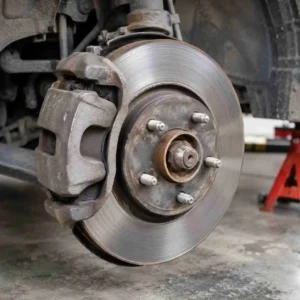
Wet and icy surfaces demand predictable, balanced stopping power, which is why brake inspection belongs on every Winter Car Breakdown Checklist. Pay attention to any squealing, grinding, pulling to one side, or sponginess through the brake pedal. If you notice any changes in braking feel before winter weather worsens, arrange an inspection through our Mobile Brake Repair Reading service rather than waiting for icy conditions to expose worn pads or discs.
8. Fuel Reserves and EV Charge Levels
Running your fuel tank down to the reserve light in winter risks leaving you without cabin heating if you get stuck in stationary traffic or break down. Aim to keep at least a quarter of a tank of petrol or diesel at all times. If you drive an electric vehicle, remember that cold temperatures reduce battery efficiency and cabin heaters draw noticeable range, so plan charging stops with an extra buffer on longer journeys.
What to Keep Inside Your Winter Breakdown Kit
Even well-maintained vehicles can suffer a sudden puncture, sensor failure, or unexpected roadside delay. Keeping a dedicated emergency kit in your boot is a vital part of any Winter Car Breakdown Checklist, ensuring you stay warm, visible, and safe while waiting for assistance.
| Essential Winter Car Breakdown Checklist Item | Practical Purpose During a Winter Breakdown |
| Ice Scraper & De-Icer Spray | Clears frost and freezing rain quickly without damaging wiper blades or glass. |
| High-Visibility Vest | Ensures passing traffic can spot you immediately if you need to exit the car in poor light. |
| LED Torch (with Spare Batteries) | Essential for inspecting tyres, reading engine bay labels, or signalling at night without draining your phone. |
| Warm Coat, Hat & Gloves | Keeps body heat in when the engine is switched off and the cabin heater is no longer running. |
| Foil or Fleece Blanket | Provides vital insulation for you and any passengers during extended waits in freezing weather. |
| In-Car Phone Charger & Power Bank | Keeps your mobile phone powered so you can contact recovery services and share your exact location. |
| Bottled Water & Long-Life Snacks | Prevents dehydration and low energy if a motorway closure or breakdown leaves you waiting for hours. |
| Compact First-Aid Kit & Jump Leads | Covers minor cuts and provides basic emergency preparedness alongside standard safety tools. |
What to Do If Your Car Breaks Down in Winter
Knowing how to react calmly and safely when your vehicle develops a fault is just as important as packing your Winter Car Breakdown Checklist gear. Cold weather, spray from passing lorries, and early darkness reduce visibility for other road users, making immediate safety steps critical.
- Pull Over in the Safest Possible Spot: As soon as you notice a loss of power, steering heaviness, or a critical warning light, signal early and move off the live carriageway. Aim for a lay-by, side road, or hard shoulder, turning your front wheels away from the road.
- Make Your Vehicle Visible: Switch on your hazard warning lights immediately. If visibility is poor, foggy, or dark, leave your sidelights on as well so approaching drivers can judge your vehicle’s position clearly.
- Exit Safely and Stay Warm: Put on your high-visibility vest before stepping out of the car. Always exit through the doors on the passenger side, away from moving traffic, and wait behind a safety barrier or well clear of the carriageway.
- Follow Strict Motorway Safety Rules: If you break down on a motorway such as the M4, leave the vehicle via the left-hand door, move behind the crash barrier, and use an emergency roadside phone or your mobile to call for help. Never attempt to place a warning triangle on a motorway—walking along a live hard shoulder or carriageway to set up a triangle puts you in extreme danger from high-speed traffic.
- Contact Your Breakdown Provider: Share your exact location using motorway marker posts, nearby junction numbers, or a digital location-sharing app so assistance can reach you without delay.
For comprehensive official advice on winter journeys, roadside safety, and vehicle checks, consult the guidance provided by National Highways Winter Driving Advice.
Which Winter Problems May Need a Mobile Mechanic?
Not every winter breakdown requires towing your vehicle to a fixed workshop. When your car develops an issue uncovered during your Winter Car Breakdown Checklist routine—or breaks down on your home driveway or in a workplace car park around Reading—arranging a mobile technician can save considerable time and disruption.
- Battery Testing and Replacement: Testing cold-cranking output, checking alternator charging rates, and fitting or coding a replacement battery on-site.
- Non-Start Faults: Investigating starter motor circuits, blown fuses, glow plug issues on diesel engines, or damp ignition components when a car refuses to turn over. You can read more about diagnosing starting issues in our Car Won’t Start Mobile Mechanic Reading guide.
- Vehicle Diagnostics: Plugging into your vehicle’s onboard computer to investigate dashboard warning lights, limp-mode triggers, or cold-weather sensor faults via Mobile Car Diagnostics Reading.
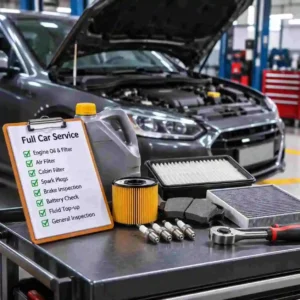
- Routine Servicing and Pre-Winter Checks: Carrying out oil and filter changes, brake pad replacements, and essential fluid top-ups before severe winter weather hits.
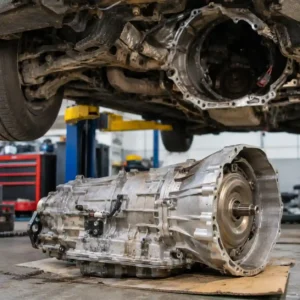
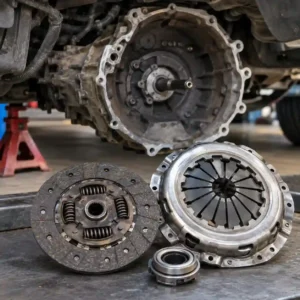
At the same time, it is important to understand that not every repair can be completed roadside or at home. Major gearbox work, severe internal engine failures, jobs requiring full vehicle ramps, or repairs exposed to heavy rain and unsafe roadside locations are better suited to a dedicated workshop environment. Whether a repair can be completed at your location always depends on the specific vehicle, the nature of the fault, safe working space, and weather conditions. To see how mobile call-outs and repairs are structured, explore our Services page.
Printable-Style Winter Car Breakdown Checklist
Save, screenshot, or print this quick reference Winter Car Breakdown Checklist to keep in your glovebox or check off before winter driving conditions arrive:
Pre-Winter Vehicle Checks
- Test car battery health and alternator charging voltage
- Check all four tyres (plus spare) for at least 3mm tread depth and correct PSI
- Top up engine oil to the manufacturer’s recommended level and grade
- Check coolant level and verify antifreeze concentration
- Replace worn wiper blades and fill screenwash with winter-grade fluid
- Test headlights, brake lights, fog lights, and indicators
- Check brake pads, discs, and pedal responsiveness
- Keep fuel tank at least a quarter full (or maintain extra EV battery buffer)
Boot Emergency Kit
- Ice scraper and de-icer spray
- High-visibility vest (stored within reach of the driver’s seat)
- Working LED torch and spare batteries
- Warm coat, hat, gloves, and a blanket
- In-car phone charger and fully charged power bank
- Bottled water and non-perishable snacks
- First-aid kit and jump leads
Frequently Asked Questions About Your Winter Car Breakdown Checklist
When should I complete my Winter Car Breakdown Checklist in Reading?
Aim to run through your Winter Car Breakdown Checklist in October or early November before the first overnight frosts arrive in Berkshire, giving yourself plenty of time to replace weak batteries or worn tyres.
What is the single most important item on a Winter Car Breakdown Checklist?
Battery testing is the highest priority on any Winter Car Breakdown Checklist, as cold temperatures significantly reduce battery cranking power and account for the majority of winter non-start call-outs.
Should I keep my Winter Car Breakdown Checklist kit in the boot or inside the cabin?
Keep bulky items like blankets, water, and jump leads in the boot, while keeping your high-visibility vest, torch, and ice scraper inside the cabin or door pockets so you can access them safely without stepping out into traffic.
Conclusion: Prepare Early for Safer Winter Motoring
Winter weather rarely gives much notice before the first hard frost or freezing fog rolls across Berkshire. Taking half an hour to work through this Winter Car Breakdown Checklist, topping up essential fluids, and packing a few practical cold-weather essentials in your boot will dramatically reduce the risk of an unexpected breakdown on your daily commute.
If your car is already showing early signs of cold-weather trouble—such as slow morning starting, an illuminated dashboard warning light, or worn brakes—getting it checked before temperatures drop further is always the safest approach. To learn more about our local mechanics, visit our About Us page, or get in touch via our Contact Us page or JO Mobile Mechanic homepage to confirm service availability and discuss your vehicle’s needs.