Few situations are more frustrating than turning the key or pressing the start button and hearing nothing happen. Whether you are getting ready for work, collecting the children from school, or planning a long journey, a car that refuses to start can disrupt your entire day. The good news is that many no-start problems have common causes, and with the right approach, they can often be diagnosed quickly.
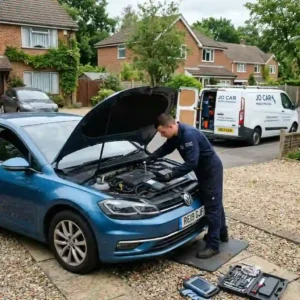
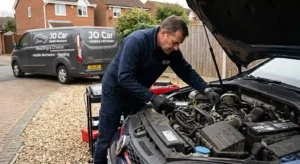
This guide shares practical mobile mechanic car tips to help you understand why your car won’t start, what you should check before calling for help, and how a professional mobile mechanic can get you back on the road. For drivers in Reading, JO Mobile Mechanic provides convenient on-site diagnostics and repairs at your home, workplace, or roadside.
By learning the most common causes of starting problems and following these mobile mechanic car tips, you can respond calmly, avoid unnecessary costs, and restore your vehicle with confidence.
Understanding the Difference Between “No Crank” and “Crank but Won’t Start”
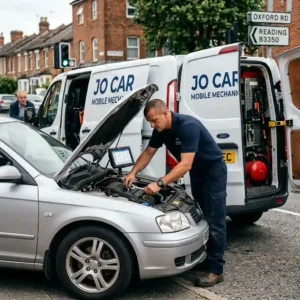
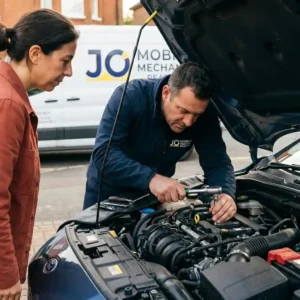
When your car refuses to start, staying calm and following a few practical mobile mechanic car tips can help you understand the problem quickly. Common causes include a weak battery, faulty starter motor, alternator issues, fuel delivery problems, or ignition faults. While some issues are simple, others require professional diagnostics to identify accurately. A mobile mechanic can come directly to your home or workplace, test the vehicle, and complete many repairs on-site. This convenient service saves time, avoids towing costs, and helps you get back on the road faster with expert advice and reliable repairs you can trust.
One of the most useful mobile mechanic car tips is to identify exactly what happens when you attempt to start the engine.
No Crank
The engine does not turn over at all. You may hear a click, a series of clicks, or complete silence.
Crank but Won’t Start
The engine turns over normally but fails to fire and run.
This distinction helps narrow down whether the problem is electrical, mechanical, fuel-related, or ignition-related.
Stay Calm and Check the Basics
Before assuming the worst, take a few moments to inspect simple issues that are often overlooked.
Make sure:
- The gear selector is in Park or Neutral
- The clutch pedal is fully depressed (manual cars)
- The steering wheel is not locked
- There is fuel in the tank
- The battery terminals appear secure
These simple mobile mechanic car tips can save time and prevent unnecessary repairs.
Common Cause #1: Flat or Weak Battery
A weak battery is one of the most frequent reasons a vehicle will not start.
Typical signs include:
- Slow cranking
- Clicking noises
- Dim headlights
- Dashboard lights flickering
Batteries lose capacity over time and are especially vulnerable during cold weather or when the car is driven infrequently.
A professional mobile mechanic can test battery voltage and charging performance and replace the battery if needed.
Common Cause #2: Faulty Alternator
If the battery repeatedly goes flat, the alternator may not be charging it properly.
Symptoms often include:
- Battery warning light
- Electrical issues
- Headlights dimming while driving
- Repeated jump-starts
One of the most valuable mobile mechanic car tips is to investigate charging problems rather than replacing batteries repeatedly.
Common Cause #3: Starter Motor Problems
The starter motor is responsible for turning the engine when you start the car.
Signs of failure include:
- A single click when starting
- Intermittent no-start issues
- No cranking despite a healthy battery
Starter motor replacement can often be performed on-site by a mobile mechanic.
Common Cause #4: Fuel Delivery Issues
If the engine cranks but will not start, fuel system problems may be responsible.
Possible causes include:
- Empty fuel tank
- Faulty fuel pump
- Clogged fuel filter
- Injector problems
A professional diagnosis is the most effective way to confirm whether fuel is reaching the engine.
Common Cause #5: Ignition System Faults
Spark plugs and ignition coils are essential for combustion.
When they fail, you may notice:
- Cranking without starting
- Rough running
- Misfires
- Reduced performance
Following routine servicing is one of the best mobile mechanic car tips to avoid ignition-related starting problems.
Common Cause #6: Immobilizer or Key Issues
Modern vehicles use electronic security systems that can prevent the engine from starting if the key is not recognized.
Common symptoms include:
- Flashing security light
- Cranking disabled
- Intermittent starting
Trying a spare key may solve the issue.
Common Cause #7: Blown Fuses or Electrical Faults
A blown fuse, corroded wiring, or faulty relay can interrupt power to critical systems.
Electrical faults may affect:
- Starter motor
- Fuel pump
- Engine management system
A mobile mechanic uses diagnostic tools to identify the exact source of the problem.
Common Cause #8: Engine Timing Problems
Timing belt or timing chain issues can prevent the engine from starting and may cause severe internal damage.
Warning signs before failure can include:
- Rattling noises
- Rough running
- Sudden engine stoppage
If you suspect timing-related issues, do not continue attempting to start the engine.
Common Cause #9: Flooded Engine
Repeated unsuccessful start attempts can sometimes flood the engine with excess fuel.
This is more common in certain petrol vehicles and usually resolves after proper diagnostic procedures.
Common Cause #10: Extreme Weather Conditions
Temperature changes can affect battery performance, fuel delivery, and sensor operation.
Cold weather often exposes weak batteries, while heat can accelerate component failure.
Seasonal maintenance is one of the most practical mobile mechanic car tips for improving reliability.
What You Should Avoid
When your car will not start, certain actions can make the situation worse.
Avoid:
- Repeatedly cranking the engine for long periods
- Ignoring burning smells
- Attempting repairs without proper tools
- Replacing parts without diagnosis
Accurate testing is always the safest and most cost-effective approach.
How a Mobile Mechanic Diagnoses a No-Start Problem
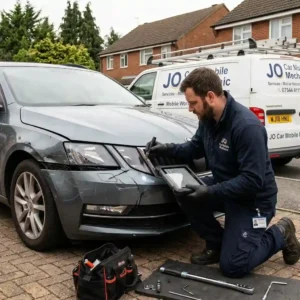
A professional mobile mechanic in Reading follows a structured diagnostic process.
The inspection typically includes:
- Battery and charging system tests
- Starter motor checks
- Diagnostic scanning
- Fuel pressure assessment
- Ignition system testing
This systematic approach ensures the real cause is identified quickly.
Benefits of Calling a Mobile Mechanic
When your car will not start, a mobile mechanic offers significant advantages.
You receive:
- On-site diagnostics
- Convenient repairs
- No towing costs
- Faster service
- Honest advice
These benefits make mobile mechanics an excellent solution for no-start problems.
Preventative Mobile Mechanic Car Tips
The best way to avoid starting issues is through regular maintenance.
Helpful habits include:
- Servicing your vehicle on schedule
- Replacing aging batteries proactively
- Keeping terminals clean
- Monitoring warning lights
- Maintaining adequate fuel
These simple mobile mechanic car tips can significantly reduce the risk of breakdowns.
Signs You Should Call Immediately
Contact a professional as soon as possible if:
- The battery warning light was on before the failure
- The engine stopped while driving
- You smell burning
- Dashboard warning lights are illuminated
- The car still will not start after a jump-start
Prompt attention helps prevent further damage.
How Reading Drivers Benefit from On-Site Repairs
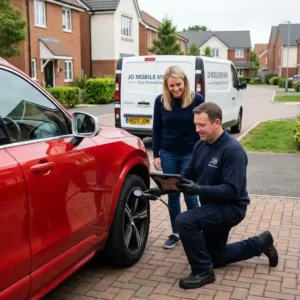
Drivers in Reading appreciate the convenience of having a mobile mechanic come directly to them. Whether your vehicle is parked at home, at work, or by the roadside, most starting issues can be diagnosed and repaired without visiting a garage.
This saves time, reduces stress, and allows you to return to your routine quickly.
Real-Life Example
Imagine your car starts slowly for several mornings. Instead of ignoring the problem, you arrange an inspection. Battery testing reveals that the battery is near failure, and it is replaced before it leaves you stranded.
This is one of the most practical mobile mechanic car tips: act on small warning signs before they become major problems.
Frequently Asked Questions
What is the most common reason a car won’t start?
A flat or weak battery is one of the most common causes of starting problems.
Can a mobile mechanic fix my car if it won’t start?
Yes, many no-start issues such as battery, alternator, starter motor, and electrical faults can be repaired on-site.
Should I jump-start my car?
A jump-start can help if the battery is weak, but repeated jump-starts without diagnosis may mask a larger issue.
How can I tell if the starter motor is faulty?
A single click or no cranking despite a healthy battery often indicates starter motor problems.
How often should I replace my car battery?
Most batteries last between three and five years, depending on usage and climate.
Can warning lights indicate why the car won’t start?
Yes, battery, immobiliser, and engine management lights often provide important clues.
Conclusion
A car that will not start can be frustrating, but the underlying cause is often something that can be diagnosed and repaired quickly. From weak batteries and faulty alternators to starter motor and ignition problems, understanding the most common causes helps you respond more effectively.
These mobile mechanic car tips provide a practical roadmap for identifying warning signs, checking simple issues, and knowing when to call for professional help. With expert on-site diagnostics and repairs from JO Mobile Mechanic in Reading, drivers can resolve starting problems conveniently and confidently.
By following these mobile mechanic car tips and staying proactive with maintenance, you can reduce the risk of future no-start situations and keep your vehicle reliable throughout the year.