Your vehicle’s braking system is one of the most important safety features on the road. Every time you slow down, stop at traffic lights, or react to sudden hazards, your brakes must perform instantly and reliably. When something feels unusual—such as squeaking noises, vibrations, or a soft brake pedal—it is a clear sign that your braking system needs attention.
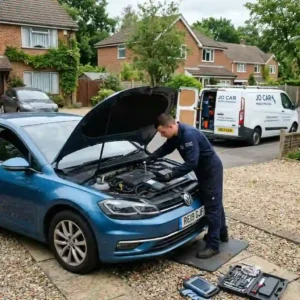
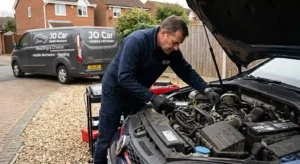
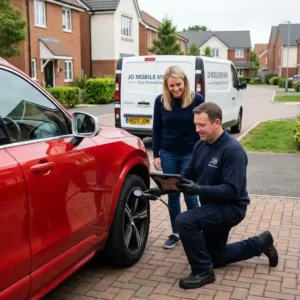
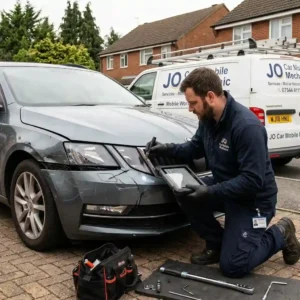
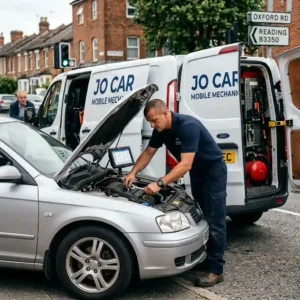
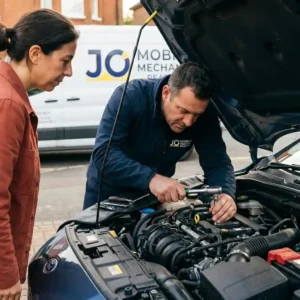
Many drivers in Reading ignore early brake warning signs because the vehicle still appears to stop normally. Unfortunately, delaying repairs can lead to reduced stopping power, higher repair costs, and dangerous driving conditions. The good news is that a professional JO Mobile Mechanic can diagnose and repair many brake problems quickly at your home, workplace, or roadside.
In this guide, we’ll explain the most common brake warning signs, what causes them, and how a mobile mechanic in Reading can restore your braking performance before a minor issue becomes a major safety concern.
Why Brake Problems Should Never Be Ignored
Brakes are subject to constant wear. Brake pads gradually become thinner, discs can warp, fluid can degrade, and components may corrode over time. Even small issues can affect stopping distance and vehicle control.
Ignoring brake problems may lead to:
- Damage to brake discs and calipers
- Increased stopping distance
- Uneven braking
- ABS faults
- Complete brake failure
Prompt attention not only improves safety but often reduces repair costs significantly.
Squeaking or Squealing When Braking
One of the most common warning signs is a high-pitched squealing sound when pressing the brake pedal.
This noise is often caused by:
- Worn brake pads
- Dust buildup
- Moisture on components
- Low-quality friction material
Brake pads include wear indicators that intentionally create a squealing sound when replacement is needed. While the vehicle may still stop normally, this sound should be taken seriously.
A mobile mechanic in Reading can inspect pad thickness and replace worn components quickly.
Grinding Noises from the Brakes
Grinding is a more urgent warning sign than squealing. It usually indicates that the brake pad material has worn away completely, allowing metal to contact the brake disc.
This can result in:
- Deep disc damage
- Reduced braking performance
- Increased repair costs
If you hear grinding, arrange an inspection immediately to avoid more extensive damage.
Vibrations or Pulsing When Braking
A vibrating brake pedal or steering wheel often suggests uneven brake disc surfaces.
Common causes include:
- Warped brake discs
- Uneven pad deposits
- Loose suspension components
Why Brake Vibrations Matter
Brake vibrations reduce smooth braking and may affect vehicle control.
Heat Can Distort Brake Discs
Repeated heavy braking generates heat, which can cause discs to develop uneven surfaces over time.
A mobile mechanic can measure disc condition and recommend resurfacing or replacement where necessary.
Soft or Spongy Brake Pedal
Your brake pedal should feel firm and responsive. If it feels soft or sinks toward the floor, there may be a hydraulic issue.
Possible causes include:
- Air in the brake lines
- Low brake fluid
- Brake fluid leaks
- Worn master cylinder
Hydraulic faults can significantly reduce stopping performance and should be addressed immediately.
Brake Warning Light on the Dashboard
Modern vehicles monitor braking systems and illuminate warning lights when faults are detected.
The warning may indicate:
- Low brake fluid
- ABS problems
- Electronic brake system faults
- Sensor issues
A mobile mechanic in Reading can perform diagnostic scans to identify the exact cause and complete the required repairs.
Car Pulls to One Side When Braking
If the vehicle veers left or right during braking, it usually means braking force is uneven between the wheels.
Common causes include:
- Sticking calipers
- Uneven pad wear
- Contaminated brake components
- Tire or suspension issues
Uneven braking affects control and should be corrected promptly.
Burning Smell After Driving
A sharp burning odor after driving may indicate that a brake component is overheating.
Potential causes include:
- Seized brake calipers
- Stuck handbrake
- Excessive friction
Overheating can damage pads, discs, and surrounding components.
Increased Stopping Distance
If your car takes longer to stop than usual, brake efficiency may be reduced.
Possible causes include:
- Worn pads
- Glazed friction surfaces
- Brake fluid degradation
- Hydraulic faults
Any noticeable increase in stopping distance should be investigated without delay.
ABS Activation at Low Speeds
If the ABS engages unexpectedly during gentle braking, there may be a fault with wheel speed sensors or related components.
This can cause:
- Pedal pulsation
- Unpredictable braking feel
- Dashboard warning lights
Diagnostic testing helps identify the underlying issue accurately.
Handbrake Not Holding Properly
The parking brake should hold the vehicle securely on inclines.
Problems may include:
- Excessive lever travel
- Weak holding force
- Cable wear
- Rear brake adjustment issues
A mobile mechanic can inspect and adjust or repair the system to restore proper function.
Metallic Scraping Sounds
A harsh scraping noise may indicate loose backing plates, severely worn pads, or foreign debris trapped near the brakes.
Although some cases are minor, others require immediate repair to prevent safety risks.
Brake Fluid Leaks
Brake fluid is essential for transferring pedal pressure to the wheels.
Signs of leaks include:
- Fluid beneath the vehicle
- Soft pedal feel
- Warning lights
- Reduced braking effectiveness
Because brake fluid leaks directly affect safety, urgent attention is recommended.
Uneven Brake Pad Wear
Pads should wear evenly across each axle. Uneven wear may suggest:
- Caliper sticking
- Slide pin corrosion
- Improper installation
Correcting the root cause prevents premature pad and disc damage.
Common Brake Repairs a Mobile Mechanic Can Perform
Many brake issues can be repaired on-site without visiting a garage.
Typical services include:
- Brake pad replacement
- Brake disc replacement
- Brake fluid changes
- Caliper repairs
- ABS diagnostics
- Parking brake adjustments
This convenience allows drivers in Reading to restore braking performance quickly and efficiently.
How Regular Brake Inspections Prevent Expensive Repairs
Your braking system works every time you drive, and even small changes in performance should never be ignored. If you notice squeaking, grinding, vibrations, or a brake warning light, these are often early signs that brake pads, discs, calipers, or brake fluid need attention. Addressing these issues promptly can prevent more serious damage and help you avoid higher repair costs. A professional mobile mechanic in Reading can inspect your brakes at your home or workplace, identify the exact cause, and complete many repairs on-site. This convenient service saves time and ensures your vehicle remains safe and responsive in all driving conditions.
Routine brake inspections from mobile mechanic are one of the best ways to protect both your vehicle and your passengers. Brake pads wear gradually, brake fluid absorbs moisture over time, and components such as calipers and discs can deteriorate with regular use. By having your braking system checked by JO Mobile Mechanic in Reading, you can detect these issues early and restore optimal stopping performance before they lead to MOT failures or roadside emergencies. Reliable brakes are essential for confident driving, and timely maintenance helps ensure your vehicle continues to stop smoothly, safely, and efficiently throughout the year.
Mobile Mechanic routine inspections help detect early wear before additional components are damaged.
For example:
- Replacing pads on time protects brake discs.
- Changing fluid prevents corrosion.
- Servicing calipers ensures even wear.
Preventative maintenance reduces costs and improves safety.
Why Reading Drivers Choose Mobile Brake Repairs
Busy drivers appreciate the convenience of having brake repairs completed at home or work.
Benefits include:
- No garage waiting times
- Fast diagnosis
- Flexible appointments
- Transparent pricing
- Professional workmanship
This makes mobile brake repairs an ideal solution for Reading motorists.
When You Should Stop Driving Immediately
Certain symptoms require urgent action, including:
- Brake pedal sinking to the floor
- Severe grinding noises
- Significant fluid leaks
- Dramatically increased stopping distance
- Red brake warning lights
If you experience any of these, avoid driving until the issue has been inspected.
Frequently Asked Questions
What is the most common sign of worn brake pads?
Squealing or squeaking when braking is one of the most common signs that brake pads are approaching the end of their lifespan.
Can a mobile mechanic in Reading replace brake pads at home?
Yes, a mobile mechanic in Reading can inspect and replace brake pads and discs at your home or workplace.
Why does my steering wheel shake when braking?
This is often caused by uneven or warped brake discs that require inspection and possible replacement.
Is it safe to drive with the brake warning light on?
Not always. The warning light may indicate low fluid or other braking system faults that should be diagnosed promptly.
How often should brakes be inspected?
Brake inspections are recommended during regular servicing or whenever unusual noises or performance changes are noticed.
Conclusion
Your brakes provide many warning signs before a serious failure occurs. Squealing, grinding, vibrations, warning lights, fluid leaks, and longer stopping distances all indicate that the braking system needs professional attention.
A mobile mechanic in Reading can diagnose and repair these issues quickly and conveniently at your home, workplace, or roadside. Early repairs improve safety, reduce costs, and help prevent more extensive damage to brake components.
With expert on-site service from JO Mobile Mechanic, drivers in Reading can keep their vehicles safe, responsive, and ready for every journey.