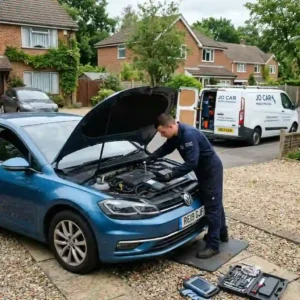
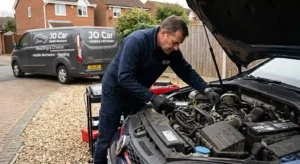
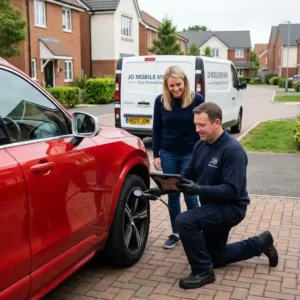
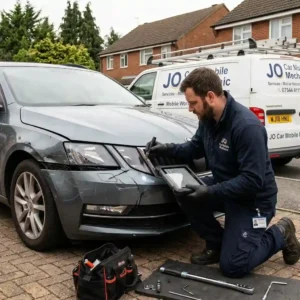
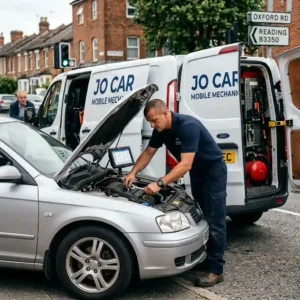
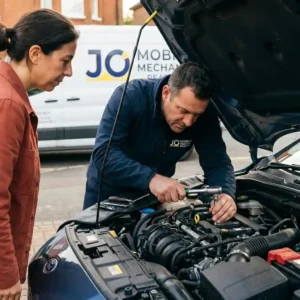
An unexpected collision instantly creates stress, uncertainty, and a long list of decisions. When your vehicle suffers damage through no fault of your own, navigating the repair process can feel overwhelming. Knowing how to handle the immediate aftermath, understanding your right to choose a repairer, and ensuring hidden mechanical faults are fully diagnosed are crucial steps to restoring your vehicle safely. Arranging a professional Non-Fault Car Accident Repair Reading assessment helps you evaluate your options clearly and regain total peace of mind on the road.
What Is a Non-Fault Car Accident?
A non-fault car accident generally means that another driver involved in the incident is considered legally responsible for causing the collision. In these circumstances, the cost of arranging a Non-Fault Car Accident Repair Reading service and providing temporary transport is typically claimed from the fault driver’s insurance provider.
However, liability and policy arrangements can vary significantly depending on the specific evidence gathered, whether liability is formally admitted, and how your policy is structured. It is important to treat every claim individually rather than making absolute assumptions about how insurers will handle settlement details.
What Should You Do After an Accident That Wasn’t Your Fault?
Taking organized, logical steps immediately following a collision protects your safety, complies with road regulations, and ensures your upcoming Non-Fault Car Accident Repair Reading claim proceeds smoothly.
- Make Sure Everyone Is Safe: Check yourself, your passengers, and occupants of other vehicles for injuries. Move to a safe location away from oncoming traffic if possible.
- Contact Emergency Services When Necessary: Call the police and emergency medical services immediately if anyone is injured, if the road is blocked, or if the other driver fails to stop or refuses to share details.
- Exchange Relevant Driver and Vehicle Details: Collect names, addresses, contact numbers, vehicle registrations, and insurance company policy numbers from all involved drivers.
- Photograph the Accident Scene and Damage: Take clear, well-lit photos of all vehicle positions, close-ups of bodywork damage, skid marks, road conditions, and traffic signs.
- Record Witness Information Where Available: Obtain contact names and phone numbers from bystanders or other motorists who saw the incident occur.
- Notify the Relevant Insurer: Report the incident promptly to your insurance provider or claims management representative, regardless of who was at fault.
- Avoid Driving the Vehicle If It May Be Unsafe: Do not attempt to drive a car that exhibits fluid leaks, bent suspension, severe bodywork rubbing against tyres, or active warning lights.
- Arrange Appropriate Inspection or Recovery: Organize a professional Non-Fault Car Accident Repair Reading assessment with a qualified technician or arrange breakdown recovery to prevent secondary damage to your vehicle.
How Is Your Car’s Accident Damage Assessed?
Evaluating vehicle damage after an impact requires looking beyond surface-level dents and scratched paintwork. Impact forces travel through structural pathways, often affecting mechanical, electrical, and cooling systems situated deep behind outer panels.
A thorough Non-Fault Car Accident Repair Reading evaluation examines both visible outer damage and hidden internal components across ten key vehicle zones:
- Body Panels: Checking doors, wings, bonnets, and boot lids for misalignment, creasing, and altered panel gaps.
- Bumpers: Inspecting outer plastic covers, internal impact absorbers, and underlying crash bars for structural crushing.
- Lights: Evaluating headlights, indicators, and taillights for cracked lenses, broken internal mounting brackets, or shorted wiring.
- Wheels and Suspension: Inspecting rims for cracks, checking control arms, tie rods, and shock absorbers for bends caused by curb impacts.
- Steering Components: Testing the steering rack, power steering pump, and tracking alignment to ensure precise directional control.
- Cooling Components: Checking radiators, intercoolers, and coolant hoses for hairline fractures or active fluid leaks.
- Mechanical Damage: Examining engine mounts, exhaust systems, and drive shafts that may have shifted during sudden deceleration.
- Electrical Systems: Scanning wiring harnesses, parking sensors, blind-spot radar modules, and camera systems for fault codes.
- Warning Lights: Analyzing active instrument cluster alerts, including airbag (SRS), ABS, traction control, and check engine lights.
- Structural Concerns: Assessing the main chassis rails, subframes, and crumple zones to verify overall structural integrity.
To discover more about our full range of vehicle maintenance and diagnostic solutions, explore our comprehensive Services page.
What Are Your Car Repair Options After a Non-Fault Accident?
When organizing repairs following an incident that wasn’t your fault, UK drivers have clear choices regarding who handles their vehicle. Booking a dedicated Non-Fault Car Accident Repair Reading provider ensures you get tailored guidance throughout the process. Official guidance under DVSA Vehicle Testing Standards
highlights that structural integrity and warning lights directly affect vehicle legal compliance, while insurer authorization depend on your specific policy terms and claim circumstances.
- Using an Insurer’s Repair Network: Most insurance providers maintain a network of approved body shops. While convenient, these facilities may prioritize speed and standard workflow over bespoke customer preferences.
- Using an Independent Repair Provider: You generally have the right to request an independent specialist to complete your Non-Fault Car Accident Repair Reading work. Independent mechanics provide direct communication and personalized attention to your vehicle’s mechanical health.
- Checking What Your Insurance Policy Allows: Review your policy documentation carefully. Some policies specify approved repairer clauses or require explicit authorization before work commences.
- Getting the Repair Process Explained Before Authorizing Work: Ensure your chosen Non-Fault Car Accident Repair Reading repairer provides a detailed, itemized estimate outlining parts, labor, paintwork, and diagnostic resets before any disassembly starts.
- Making Sure the Repairer Is Appropriate for the Type of Damage: Choose a facility or technician with the specific diagnostic scanners, mechanical tooling, or bodywork equipment required for your vehicle’s precise make and fault profile.
Explore our comprehensive Services page to learn more about our full range of vehicle maintenance and diagnostic solutions.
Can You Drive Your Car After an Accident?
Appearance alone does not determine roadworthiness. A vehicle with minor bumper scuffs may suffer from severely bent suspension or a cracked radiator, rendering it illegal and unsafe to drive on public roads without a full Non-Fault Car Accident Repair Reading safety check.
Do not drive your car if you notice any of the following critical issues:
- Steering Problems: The steering wheel feels heavy, pulls violently to one side, or is off-center when driving straight.
- Suspension Damage: Unusually low ride height, knocking noises over bumps, or extreme wheel lean.
- Fluid Leaks: Pools of engine oil, bright green or pink coolant, or hydraulic brake fluid gathering beneath the car.
- Damaged Lights: Broken headlights or brake lights that prevent other road users from seeing your intentions at night.
- Wheel/Tyre Damage: Bulging sidewalls, deeply gouged alloy rims, or tyres rubbing against damaged wheel arch liners.
- Severe Body Damage: Sharp, jagged metal edges, loose bumpers, or a bonnet that cannot latch securely.
- Warning Lights: Active dashboard indicators for Airbag/SRS, ABS, Brakes, or Steering intervention systems.
- Problems Affecting Braking: Spongy pedal feel, grinding metallic sounds, or extended stopping distances.
Safety Warning: If you have any doubt regarding your car’s roadworthiness following a collision, arrange a professional Non-Fault Car Accident Repair Reading assessment rather than risking a dangerous breakdown or police prohibition.
What Happens If the Damage Is More Serious?
The path your vehicle follows after an impact depends directly on its structural repairability and overall economic value during a Non-Fault Car Accident Repair Reading assessment.
| Stage | Path A: Repairable Vehicle | Path B: Severe / Structural Damage |
| Step 1: Assessment | Vehicle Impact Occurs → Professional Assessment | Vehicle Impact Occurs → Professional Assessment |
| Step 2: Decision | Detailed Repair Estimate – Itemizing parts, labor, paint, and diagnostics | Repairability Decision – Structural compromise or costs exceed value |
| Step 3: Action | Authorized Repairs – Work approved by paying insurer | Total-Loss Designation – Formally categorized as a write-off |
| Step 4: Completion | Quality Inspection – Final alignment, road testing, and safety scans | Settlement Valuation – Insurer evaluates pre-accident market value |
| Final Step | Customer Delivery – Returned to owner with work guarantee | Claim Payout – Final financial settlement issued to owner |
Why a Proper Accident Damage Assessment Matters
Accident damage is rarely limited to what can immediately be seen on the surface. Modern vehicles feature energy-absorbing crumple zones and plastic body panels engineered to flex upon impact.
For example, a cracked front bumper may look like a minor cosmetic scratch on the outside. However, the force required to crack that plastic often transfers directly into the bumper reinforcement bar behind it, crushing hidden radiator supports, cracking air conditioning condensers, or misaligning delicate radar distance sensors. Bringing mechanical expertise into your Non-Fault Car Accident Repair Reading evaluation ensures these underlying mechanical and electrical faults are caught early, preserving your vehicle’s long-term safety and resale value. Learn more about our company ethos, team background, and mechanical standards on our About Us page.
When Should You Get Professional Accident Repair Help in Reading?
Seeking a professional inspection is the safest course of action whenever an impact alters how your vehicle looks, feels, or performs. You should arrange a Non-Fault Car Accident Repair Reading evaluation if:
- Your vehicle has visible bodywork, bumper, or lighting damage after a collision.
- You are unsure whether your car remains legally roadworthy or safe to drive.
- Dashboard warning lights appeared immediately during or after the impact.
- The steering wheel vibrates, pulls, or feels misaligned while driving.
- You notice fresh fluid puddles beneath the engine bay or wheel arches.
- The engine, gearbox, or electrical systems show unusual behavior, noises, or power cuts.
- You require a comprehensive diagnostic assessment before deciding on repair paths with your insurer.
Discover our company ethos, team background, and mechanical standards on our About Us page.
Why Choose a Local Accident Repair Service in Reading?
Opting for a local Non-Fault Car Accident Repair Reading service offers distinct practical advantages when recovering from a vehicle collision:
- Local Convenience: Easy access to nearby technicians without long travel distances or complex logistics.
- Understanding the Reading Area: Local technicians understand regional driving conditions and can quickly arrange driveway or workplace visits across Reading for your Non-Fault Car Accident Repair Reading needs.
- Direct Communication: Speak face-to-face with the specialist inspecting your car rather than navigating call center queues.
- Comprehensive Vehicle Assessment: Benefit from detailed mechanical and digital diagnostic scans alongside visual bodywork checks.
- Mechanical Expertise: Ensure hidden drivetrain, suspension, and engine management issues receive equal priority alongside paint and panel work.
- Appropriate Repair Recommendations: Receive honest, transparent guidance tailored strictly to your vehicle’s condition and safety requirements.
FAQs About Non-Fault Car Accident Repair in Reading
Can I repair my car if the accident wasn’t my fault?
Yes, you have the right to organize a Non-Fault Car Accident Repair Reading service to restore your vehicle to its pre-accident condition following a non-fault collision.
Who pays for non-fault accident repairs?
Repair costs, vehicle assessment fees, and temporary replacement transport arranged through your Non-Fault Car Accident Repair Reading claim are typically claimed from the fault driver’s insurance company, subject to liability confirmation and policy terms.
Can I choose where my damaged car is repaired?
In most cases, UK motorists have the right to select their preferred provider for Non-Fault Car Accident Repair Reading. However, you should always check your specific policy terms and notify your insurer before authorizing work.
Should I drive my car after an accident?
You should only drive your car if there is zero mechanical, steering, brake, or structural damage, and no active warning lights. If you are uncertain, have a Non-Fault Car Accident Repair Reading technician professionally assess the vehicle first.
What happens if hidden damage is discovered during repairs?
If additional damage is uncovered during disassembly, a supplementary estimate for your Non-Fault Car Accident Repair Reading work is submitted to the paying insurer for authorization before extra work proceeds.
How is accident damage assessed?
Technicians carrying out a Non-Fault Car Accident Repair Reading check combine visual panel inspections with digital OBD-II diagnostic scans, undercarriage checks, and suspension tracking measurements to identify all faults.
Can a mobile mechanic help after an accident?
Yes, a mobile mechanic can perform on-site diagnostic scans, check for fluid leaks, evaluate mechanical safety, and advise whether your vehicle requires a full Non-Fault Car Accident Repair Reading body shop recovery or minor on-site fixes.
What happens if my car is too damaged to drive?
If your car is unsafe, it must be transported via recovery vehicle to a suitable facility until an engineer completes a Non-Fault Car Accident Repair Reading inspection and valuation.
Professional Accident Assessment and Guidance
If your vehicle has been involved in a collision and you need a reliable Non-Fault Car Accident Repair Reading assessment, getting clear advice at your location saves time and prevents further mechanical risk.
For professional driveway diagnostics, mechanical fault checks, and routine vehicle care, explore our main Services page, or reach out directly through our Contact Us page to schedule an inspection with an experienced technician today.