Seeing a red battery symbol appear on your dashboard while driving can be worrying. It is easy to assume that the battery has failed, but the warning often points to a problem with the charging system rather than the battery alone.
If the Battery Light On While Driving warning stays illuminated after the engine has started, your vehicle may not be charging correctly. A Battery Light On While Driving warning can point to alternator, belt, wiring, connection or battery trouble.
For drivers in Reading and Berkshire, understanding the warning can help you respond safely. Knowing what Battery Light On While Driving indicates can help you take the right next step.
What Does the Battery Warning Light Mean?
A search for Battery Light On While Driving usually refers to this red charging symbol. The battery-shaped dashboard symbol is more accurately a battery charging warning light. It monitors the charging system, which supplies electrical power while the engine is running and replenishes the battery.
When you switch on the ignition before starting the engine, the light normally illuminates as part of the dashboard check. It should go out after the engine starts. If it stays on or appears while driving, the charging system may not be working properly. A Battery Light On While Driving warning is not a simple reminder to replace the battery.
A Battery Light On While Driving warning can mean that the battery is not receiving enough charge from the alternator. The vehicle may run briefly on stored battery power, but that reserve will run down. Electrical systems may lose power and the engine could stop.
What Should You Do If the Battery Light Comes On While Driving?
If the Battery Light On While Driving appears, treat it as urgent. If the Battery Light On While Driving appears during a journey, prioritise reaching a safe place. Do not assume you can finish your journey simply because the engine is still running.
- Stay calm and concentrate on the road. Look for a safe place to pull over.
- Reduce unnecessary electrical demand. If safe, switch off non-essential equipment such as heated seats, the rear window heater, air conditioning and audio system. Keep essential lights and equipment on.
- Stop somewhere safe. Choose a safe parking area or lay-by; never stop in a live lane.
- Switch off the engine once safely parked. The vehicle may not restart if the battery has been drained.
- Arrange professional help. Arrange a mechanic or breakdown provider to check the system.
If the warning appears with overheating, heavy steering, smoke, a burning smell or unusual noises, stop as soon as it is safe and request assistance. On some vehicles, a failed auxiliary belt can affect other components too.
The RAC explains that this warning can indicate a charging or electrical fault. Read its UK guide to dashboard warning lights for further information.
6 Common Reasons the Battery Light Comes On
The Battery Light On While Driving warning can have several causes. The warning identifies a charging-system issue, not the failed part. Common causes include:
1. Faulty Alternator
The alternator generates electricity while the engine runs, powers electrical systems and recharges the battery. If it fails, you may notice dim headlights, flickering dashboard lights or starting problems. A Battery Light On While Driving warning can indicate an alternator fault, but testing is needed before replacing parts.
2. Worn, Loose or Damaged Drive Belt
The alternator is usually driven by an engine belt. If it slips, wears out or breaks, the alternator may stop charging the battery. A damaged belt can squeal, and on some vehicles it also drives other components. Stop safely if the temperature rises or steering becomes heavy.
3. Loose or Corroded Battery Connections
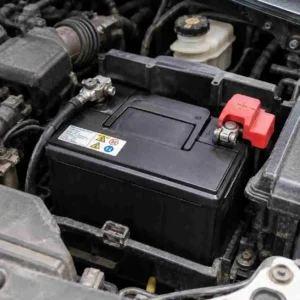
Corroded terminals, loose connections or damaged cables can interrupt charging. Possible symptoms include starting difficulty, flickering lights or inconsistent electrical functions. Avoid touching damaged wiring if you are unsure.
4. Weak or Failing Battery
An ageing or internally damaged battery may struggle to accept or hold charge. Slow cranking, repeated starting trouble or electrical issues after parking can be clues. A battery test establishes its condition.
If testing shows that a replacement is needed, see our mobile battery replacement service for information about assistance in Reading.
5. Damaged Wiring, Fuses or Electrical Connections
Damaged cables, poor earth connections, loose plugs or faulty fuses can interrupt power between the alternator and battery. A mechanic may need testing equipment to locate the problem.
6. Charging System Sensor or Control Fault
Modern vehicles use electronic controls to manage charging. A faulty sensor or control module may trigger a warning, but the battery, alternator and wiring should be checked before blaming a sensor.
Can You Drive With the Battery Light On?
You should not continue a normal journey with a red battery charging warning illuminated. If the alternator is not charging, the vehicle may be relying on the battery’s remaining power. Once that reserve is depleted, electrical systems can stop working and the engine may stall.
The distance the car can travel is unpredictable. There is no safe rule for how far you can travel with the Battery Light On While Driving warning. It depends on the battery’s condition, electrical demand and the nature of the fault. No mileage estimate makes continued driving safe.
If the Battery Light On While Driving warning appears, focus on reaching a safe stopping place rather than trying to reach your destination. Avoid switching off the engine until you are safely parked, because restarting may not be possible.
On motorways, follow road signs and the Highway Code. Use a refuge or hard shoulder only as directed, then contact breakdown assistance.
How to Help Prevent Charging System Problems
No maintenance routine can prevent every electrical fault, but sensible checks can help identify developing problems. Pay attention to slow starting, repeated flat-battery issues, unusual belt noises and intermittent dashboard warnings. Keep battery terminals and connections in good condition, and arrange battery and charging tests when symptoms appear.
Regular servicing helps reduce breakdown risks. If your car has already shown a charging warning, have the fault diagnosed rather than relying on preventive checks alone.
Mobile Battery and Charging Assistance in Reading
If your battery warning light appears while driving, the right repair depends on the cause. The battery may need replacing, but the alternator, drive belt, wiring or connections may also require attention.
JO Car Mobile Mechanic provides mobile vehicle assistance in Reading and surrounding areas. Depending on the vehicle and fault, suitable checks or repairs may be carried out at your home, workplace or roadside. Some repairs may require workshop facilities or vehicle recovery.
Explore our mobile mechanic services to see the types of vehicle assistance available. To learn more about the business, visit our About Us page.
If the vehicle is unsafe to drive or has stopped, our emergency mobile mechanic service in Reading can help you arrange appropriate assistance. Availability is 24/7, including bank holidays.
Frequently Asked Questions
1. What Does the Battery Light Mean While Driving?
Battery Light On While Driving usually indicates that the battery is not being charged correctly or that a fault exists in the charging or electrical system. Possible causes include the alternator, drive belt, wiring, connections or battery.
2. Can a Bad Battery Cause the Battery Light to Come On?
Yes. A weak or damaged battery can contribute to a charging warning. However, the light can also be caused by an alternator or wiring fault, so the complete system should be tested.
3. Will My Car Stop if the Battery Light Comes On?
It may. If the alternator is not charging the battery, the vehicle can continue using stored battery power for a limited period. When that power runs out, electrical systems may fail and the engine could stop.
4. Should I Replace the Battery When the Warning Light Appears?
Not without testing first. The Battery Light On While Driving warning does not prove that the battery is faulty. A mechanic should check the battery condition and charging system to identify the actual cause.
5. Why Does the Battery Light Come On and Then Go Off?
An intermittent warning can be caused by a loose connection, slipping belt, alternator fault or another charging-system issue. Even if the light goes out, arrange an inspection rather than assuming the problem has disappeared.
6. Can a Mobile Mechanic Check a Battery Warning Light?
A mobile mechanic may be able to inspect the battery, connections and charging system at a suitable location. The checks and repairs possible on site depend on the vehicle and the fault.
Conclusion
If you are wondering why the Battery Light On While Driving warning appears, it usually means that your car’s charging system needs attention. Although the battery may be involved, the cause could also be a faulty alternator, damaged drive belt, poor connection or electrical control issue.
Do not ignore a Battery Light On While Driving warning or assume a new battery will fix it. Reduce unnecessary electrical use, find a safe place to stop and arrange professional assistance. Proper testing can identify the fault and help prevent unnecessary repairs.
JO Car Mobile Mechanic supports drivers in Reading with mobile vehicle assistance, including suitable battery-related services. For advice or to arrange an inspection, contact JO Car Mobile Mechanic or call 07544 411158.